
After December: How to Eat in January Without Dieting
December often brings irregular schedules, less predictable meals, and heavier reliance on convenience foods. When January arrives, it can feel tempting to try to undo everything at once, but this approach usually adds more stress than support. Eating in January without dieting means returning to stability and rebuilding rhythms, not rules. In today’s post, I’ll share simple things to do and not to do to help you regain your balance with food.
For many people, December brings predictable disruptions to normal eating habits. Travel, gatherings, and holiday events can make meal timing inconsistent, while heavier foods that are lower in fiber and protein become more common and are often eaten later in the day. This combination can affect digestion, sleep, and overall energy.
These changes don’t need to be fixed, but are instead a normal response to the holiday season, and a signal that your body is ready for steadier support in the New Year.
What to do in January
January is not the time for cutting back or cleansing, but instead focus on predictability and getting enough to eat. Four simple and actionable things you can do are:
Eat something every 3-4 hours to help regulate appetite
Include protein at most meals (eggs, chicken, fish, Greek yogurt, beans, lentils, etc)
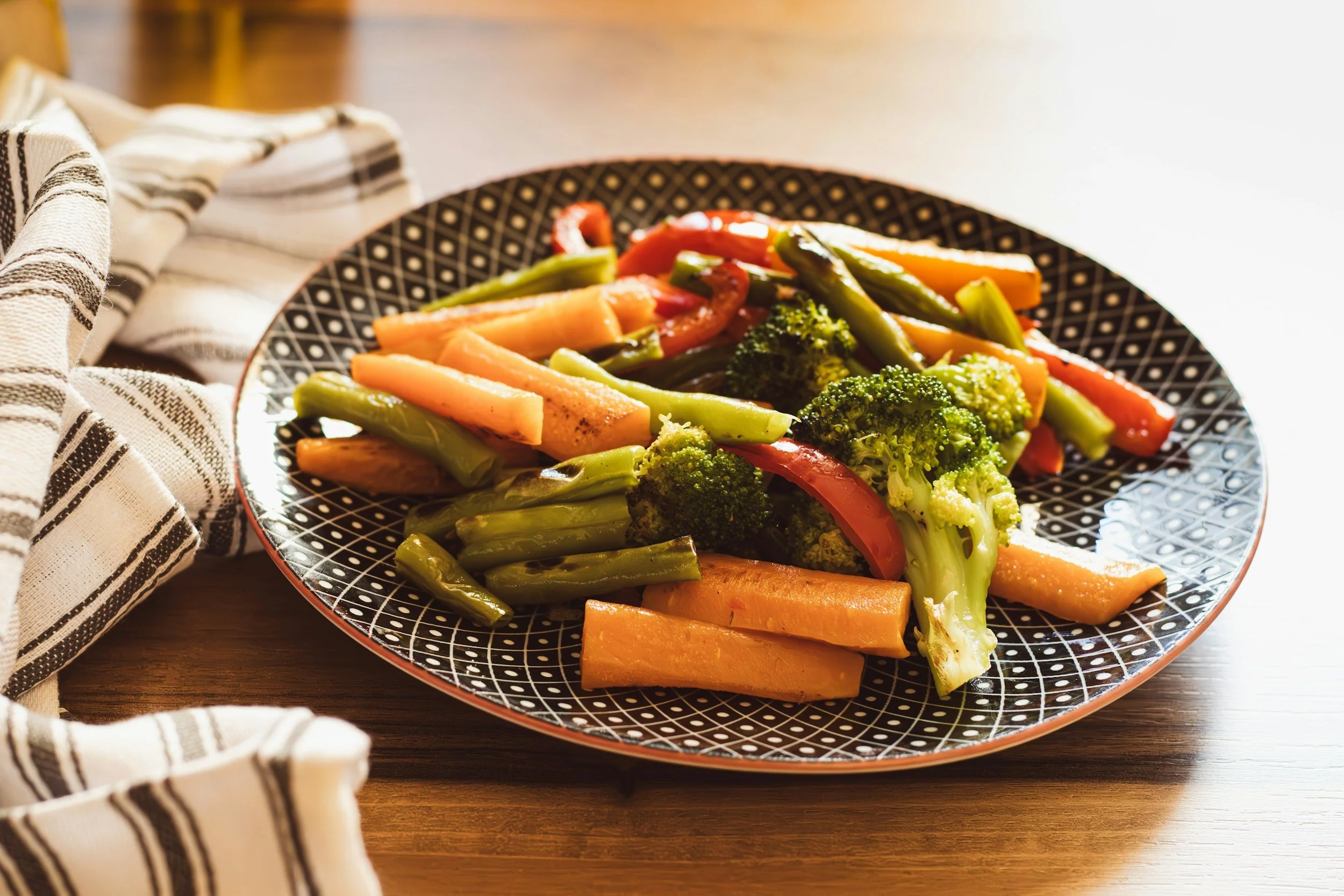
Slowly bring fiber back in (fruits, vegetables, beans, whole grains, etc)
Increase hydration
It’s okay if January food is boring. Sometimes this helps reset our systems. An example day can look like:
Breakfast: scrambled eggs + 1 slice of whole grain toast topped with mashed avocado
Snack: small handful of almonds
Lunch: vegetarian bowl with beans, quinoa, roasted vegetables, and tahini sauce
Snack: plain Greek yogurt topped with berries and low-sugar granola
Dinner: salmon with roasted potatoes and spinach salad
What to skip in January
Sometimes the instinct after the holidays is to swing hard in the opposite direction with food. While these approaches aren’t “bad”, they often add stress without offering much long-term benefit.
Detoxes or cleanses
Over-restricting foods
Overhauling everything at once
If the way you’re eating in January is creating more stress or anxiety, it’s likely not the most supportive approach right now.
January doesn’t need to be about fixing anything. Simple, steady meals and familiar foods can help your body find its rhythm again, while skipping restrictive or extreme approaches can reduce unnecessary stress. Sometimes the most supportive thing you can do in January is just return to what already works.
