
How to Build a Balanced Plate at Any Summer Gathering
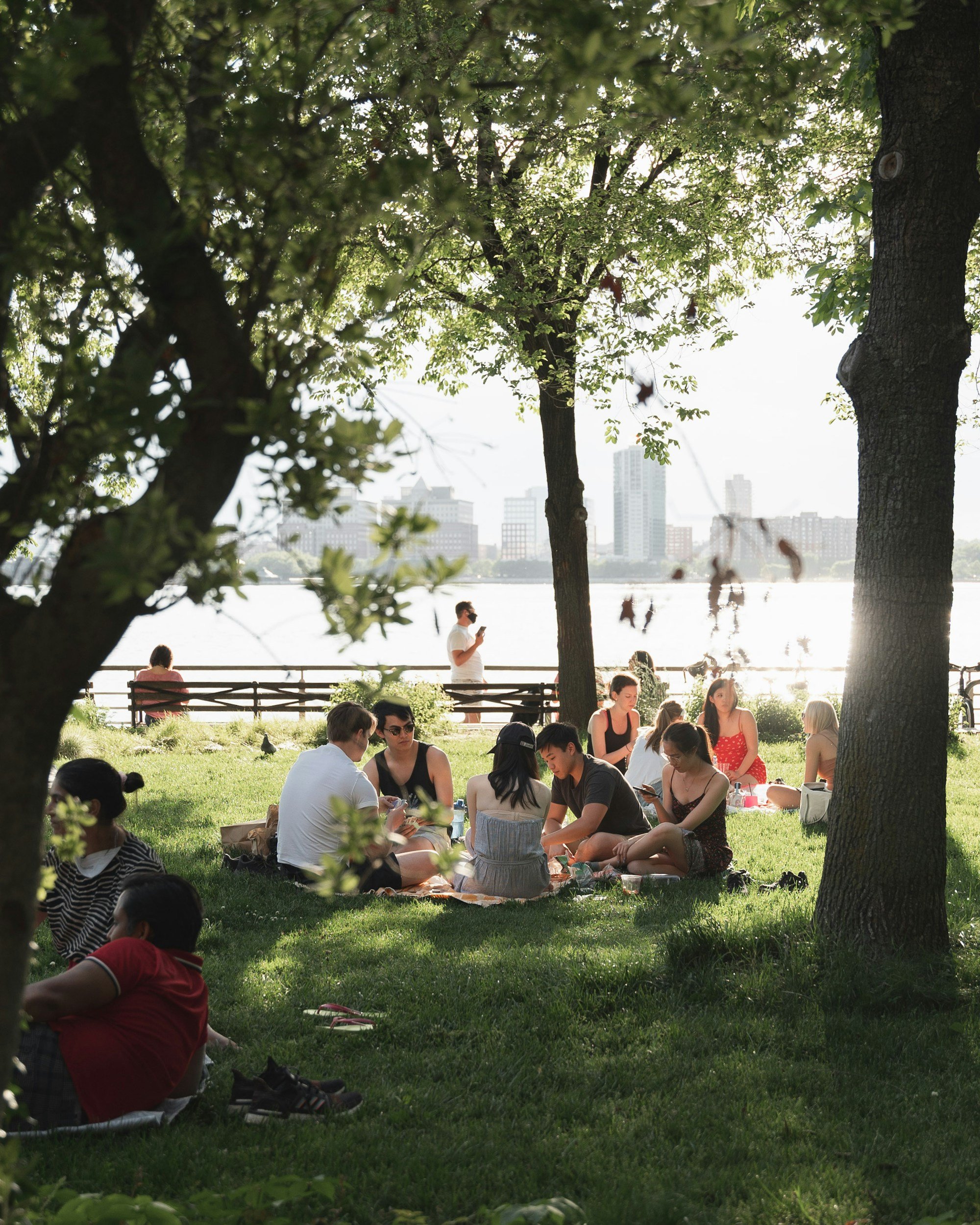
Summer gatherings often revolve around food, from backyard barbecues to potlucks and picnics. Many people wonder how to enjoy these events without feeling overly full or straying from their health goals. The good news is that you don’t need a special diet or strict food rules. A balanced plate can help you enjoy your favorite foods while supporting energy, satisfaction, and nutrition. In today’s post, I’ll share how you can easily make a balanced plate at your next summer gathering.
Why balance matters
Balanced meals help keep you satisfied longer. Combining protein, fiber-rich carbohydrates, and healthy fats can support stable energy levels. Focusing on balance rather than restriction makes healthy eating more sustainable.
A simple balanced plate formula
Fill half your plate with fruits and vegetables
Aim for a variety of colors and textures. Colorful summer favorites include:
Watermelon
Berries
Corn on the cob
Tomato and cucumber salad
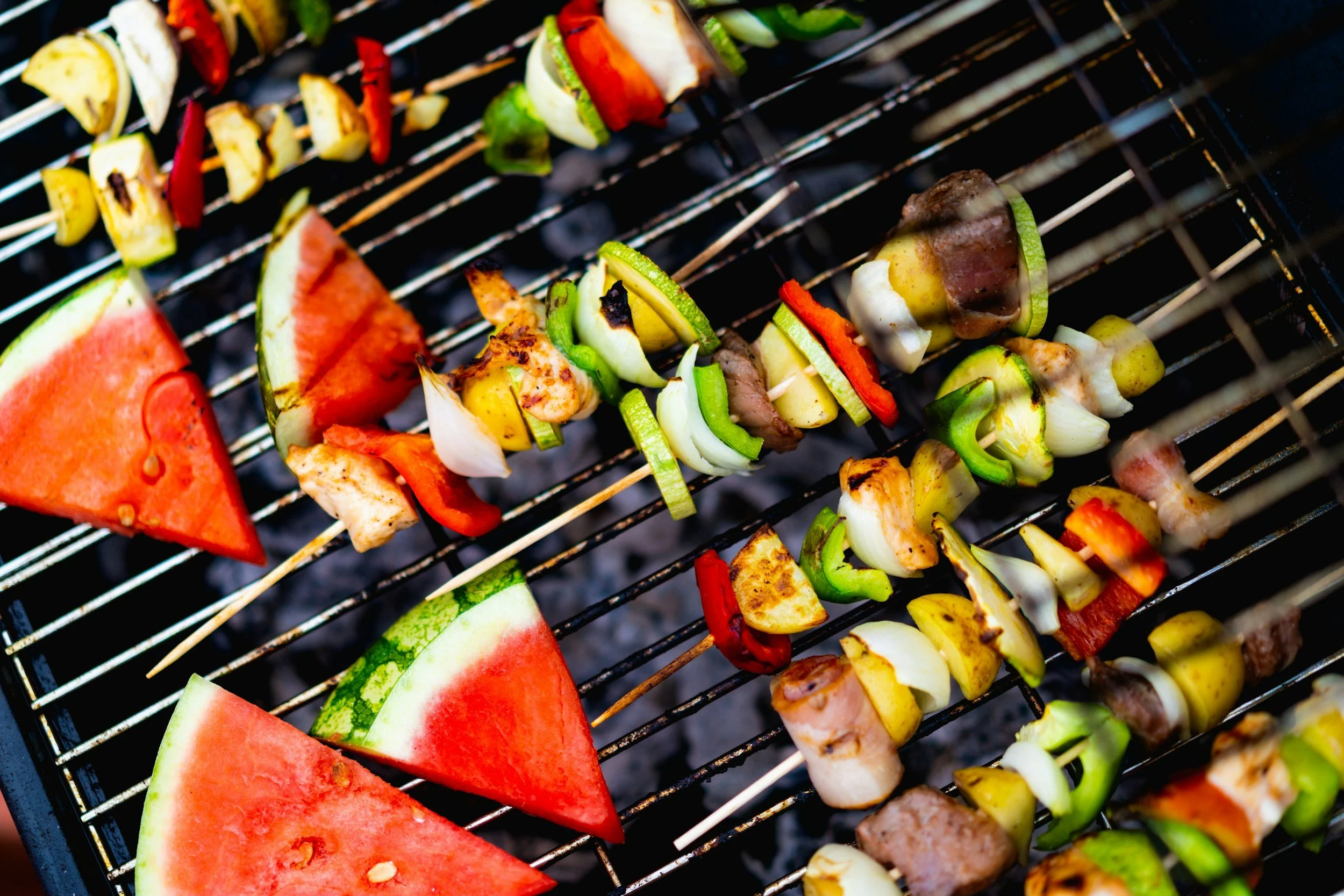
Grilled vegetables
Green salads
Fruits and vegetables provide fiber, vitamins, minerals, and antioxidants that support overall health. Many summer produce options, such as watermelon, cucumbers, and berries, also have a high water content, helping you stay hydrated during hot weather. In addition, the fiber found in fruits and vegetables can help promote fullness and satisfaction, making it easier to enjoy a balanced meal at your gathering.
Include a source of protein
Protein helps promote fullness and supports muscle health. Examples include:
Grilled chicken
Burgers or turkey burgers
Fish or shrimp
Beans
Veggie burgers
Tofu or tempeh
Try to limit yourself to a satisfying portion rather than piling on extra servings. Fiber-rich fruits, vegetables, and whole grains are more likely to fill you up then just eating a bunch of protein.
Add a carbohydrate you enjoy
Carbohydrates provide energy and are often the centerpiece of summer gatherings. Examples include:
Bun or other bread
Potato salad
Pasta salad
Chips
Corn
Fruit
Carbohydrates can absolutely fit into a balanced plate. Including whole grain options, such as whole grain buns, whole grain pasta salad, or quinoa salad adds more fiber which can help fill you up.
Don’t forget healthy fats
Healthy fats add flavor and satisfaction. Examples include:
Avocado
Nuts or seeds
Olive oil-based dressings
Guacamole
Many barbecue foods naturally contain fat, so you don’t necessarily need to worry about adding a source of healthy fat, but it is still something to think about.
Putting it all together: sample barbecue plate
Here is an example of what a balanced plate can look like at a barbecue:
Grilled burger
Bun
Fruit salad
Tomato cucumber salad
Potato salad
Keep in mind, that ideally the fruit and vegetables in this meal make up half the plate. This meal contains protein, carbohydrates, fruits, veggies, and fat. No meal has to be perfect but this allows you to still enjoy your meal!
What about desserts?
Desserts can be part of a balanced eating pattern. Summer gatherings often include seasonal favorites, such as ice cream, fruit cobbler, pie, or cookies. Rather than feeling like you need to avoid dessert altogether, consider choosing the option you truly enjoy and savoring it mindfully. Remember, one dessert, or even one day of eating differently than usual, doesn’t define your overall health. What matters most if your eating pattern over time.
Tips for summer gatherings
Keep these tips in mind next time you are invited to a summer gathering:
Eat regular meals earlier in the day - don’t arrive overly hungry!
Stay hydrated - drink plenty of water, especially in hot weather
Focus on enjoyment, not perfection - enjoy the food and the company
A balanced plate at a summer gathering doesn’t have to be complicated. By including fruits and vegetables, protein, carbohydrates, and foods you genuinely enjoy, you can nourish your body while still fully participating in summer celebrations.
