
Eating to Calm Inflammation During Spring Allergy Season
Spring means longer days, blooming flowers, and unfortunately for many people, seasonal allergies. If you deal with sneezing, congestion, or itchy eyes this time of year, you’re definitely not alone. While pollen is the main trigger, the body’s inflammatory response plays a big role in how severe allergy symptoms feel. Nutrition can’t fix seasonal allergies, but certain foods may help support the immune system and calm inflammation. In today’s post, I’ll share which foods to eat to help your body respond a little more smoothly to seasonal allergens.

Why inflammation matters for allergies
When pollen and other allergens enter the body, the immune system releases histamine, triggering inflammation. This inflammation is what causes common allergy symptoms, like congestion, sneezing, and itchy eyes. While you can’t stop pollen exposure with foods, eating anti-inflammatory and nutrient-rich foods may help your body respond a little more calmly, which can make allergy season a little easier to manage.
Foods that may help calm inflammation during allergy season
The following foods may help calm inflammation in the body during allergy season and any other time of year.
Omega-3 rich foods
Fatty fish like salmon or sardines, as well as plant sources like chia seeds, flaxseeds, and walnuts, contain omega-3 fatty acids. These healthy fats support a balanced inflammatory response in the body.
Vitamin-C rich fruits and vegetables
Strawberries, oranges, kiwi, bell peppers, and broccoli are packed with vitamin C, which supports immune function and may help regulate histamine, the compound that triggers allergy symptoms.
Quercetin-containing foods
Quercetin is a natural plant compound found in apples, onions, berries, and capers. It has antioxidant properties and may help stabilize cells that release histamine, helping reduce allergie reactions.
Gut-supporting foods
Fermented foods like yogurt with live cultures, kefir, kimchi, and sauerkraut support a healthy gut microbiome. A balanced gut plays a key role in regulating immune function and inflammation.
Colorful fruits and vegetables
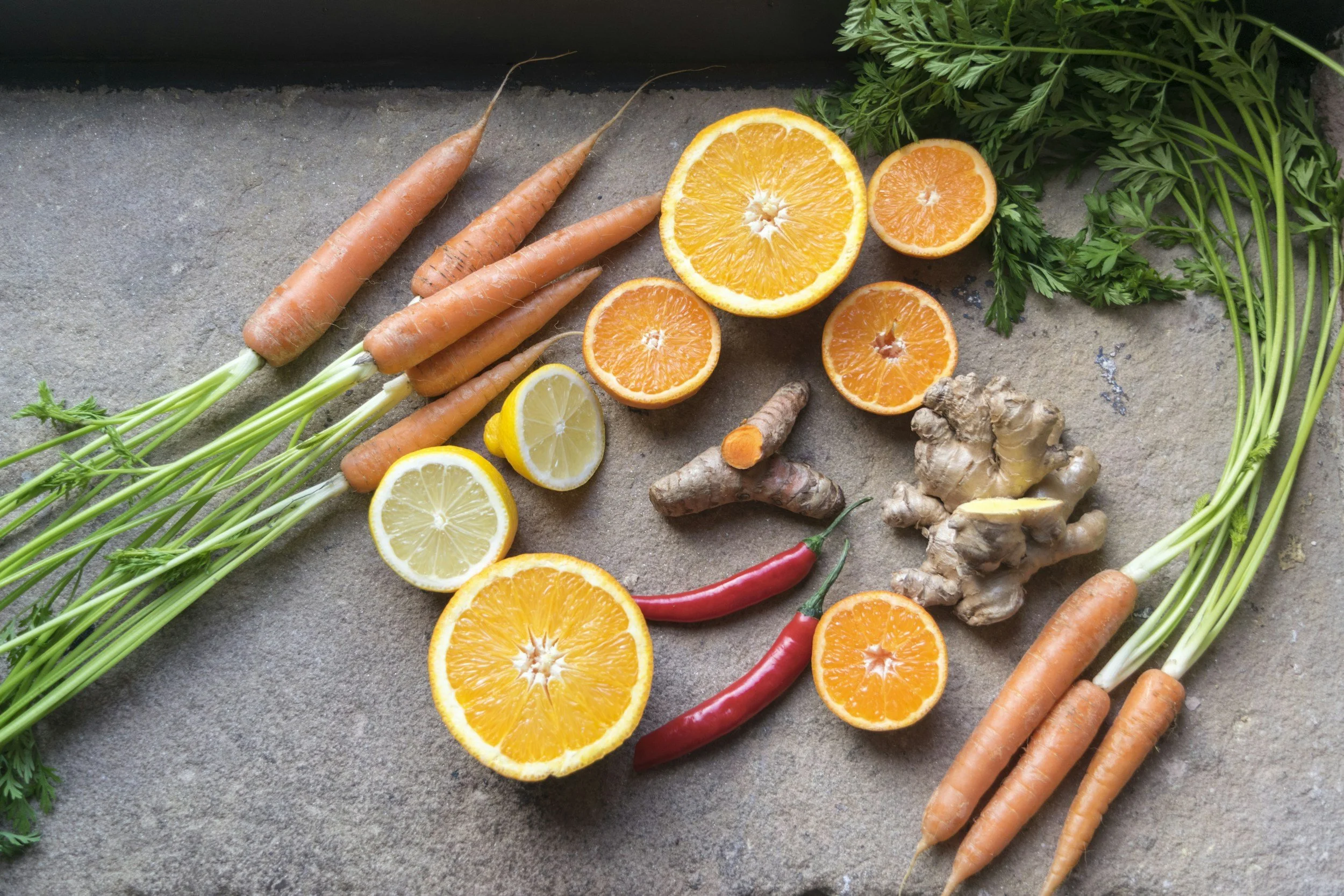
Leafy greens, carrots, beets, and berries provide antioxidants that help combat oxidative stress and inflammation. The more color you eat, the more variety of protective compounds you get.
Simple ways to include anti-inflammatory foods
Start the day off right: Add berries, chia seeds, or a spoonful of flaxseed to oatmeal yogurt or a smoothie.
Emphasize veggies at lunches and dinners: Include colorful salads, roasted veggies, or stir-fries with leafy greens, bell peppers, and carrots.
Include omega-3’s a few times per week: Grill or bake salmon, sprinkle walnuts on salads, or enjoy a chia pudding snack.
Support your gut: Snack on yogurt or add kefir to smoothies.
You can’t completely avoid seasonal allergies, but the foods you eat can help support your immune system and calm inflammation. By including a variety of colorful, nutrient-dense, and gut-supporting foods, you may help your body respond more smoothly to pollen and allergens, making spring allergy season a little easier to manage.
