What to Eat in the First Trimester: Gentle Nutrition for Nausea and Energy
The first trimester can feel like survival mode. Between nausea, food aversions, and constant fatigue, eating the way you used to may suddenly feel impossible. One day a food may sound fine, but the next day it doesn’t. You might feel hungry but unable to figure out what actually sounds good. Instead of aiming for perfect nutrition, the goal is to eat in a way that helps you feel a little better and keeps your energy steady. In today’s post, I’ll share how to approach food in the first trimester in a way that feels doable.
Start with what you can tolerate
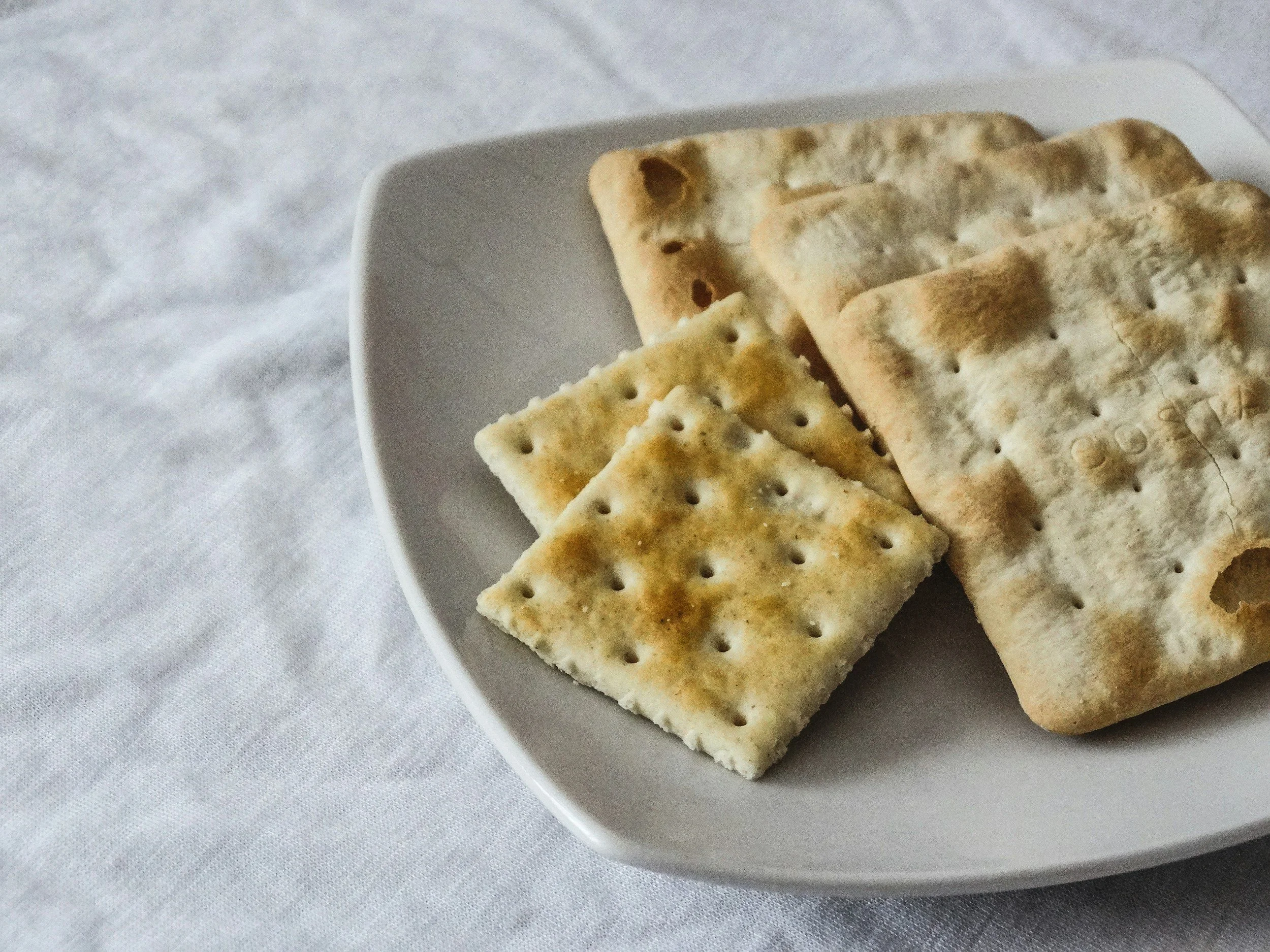
This is not the time to force down salads or foods that make your stomach turn. If plain crackers and toast are the only things that sound okay, start there. Avoiding an empty stomach can actually help reduce nausea and make it easier to add more variety later. Once you find a few safe foods, try to slowly build around them. For example, try:
Toast with a little nut butter
Crackers with cheese
Rice with eggs
Eat small amounts more often
An empty stomach can make nausea worse, but large meals can feel overwhelming. A better approach is to eat small amounts every 2-3 hours. This keeps blood sugar more stable and can prevent the sudden wave of nausea that hits you when you’ve gone too long without eating. Even a few bites can help. Some easy ideas are:
A handful of nuts and dried fruit
Half a sandwich
Yogurt with a little granola
Apple slices with peanut butter
Pair carbohydrates with protein when you can
Carbohydrates, like bread, crackers, and pasta, are often the easiest foods to tolerate in early pregnancy, but eating them alone can lead to quick energy crashes. When it feels manageable, try pairing them with protein or fat to keep your energy more steady. Even a few bites of protein can help. Some examples include:
Crackers with cheese
Toast with eggs
Fruit with nuts
Oatmeal with nut butter
Focus on easy-to-digest foods
During the first trimester, lighter and simpler foods often feel best. Some comonly tolerated options include:
Toast, rice, pasta, potatoes
Eggs
Yogurt
Smoothies
Fruit
Soups and broth
Cold or room temperature foods can also be easier to handle than hot meals, especially if smells are triggering nausea.
Choose fluids wisely
Staying hydrated matters, but plain water is not always appealing when you feel nauseated. Avoid drinking large amounts at once and instead sip throughout the day. Try:
Cold water with lemon
Electrolyte drinks
Ginger tea
Smoothies
Broth-based soups
Keep quick snacks nearby
Hunger and nausea can hit fast, and waiting too long to eat can make things worse. Having easy options close by can make a big difference, especially in the morning or during the night. Ideas to keep on hand:
Crackers by your bed
Protein bars
Trail mix
String cheese
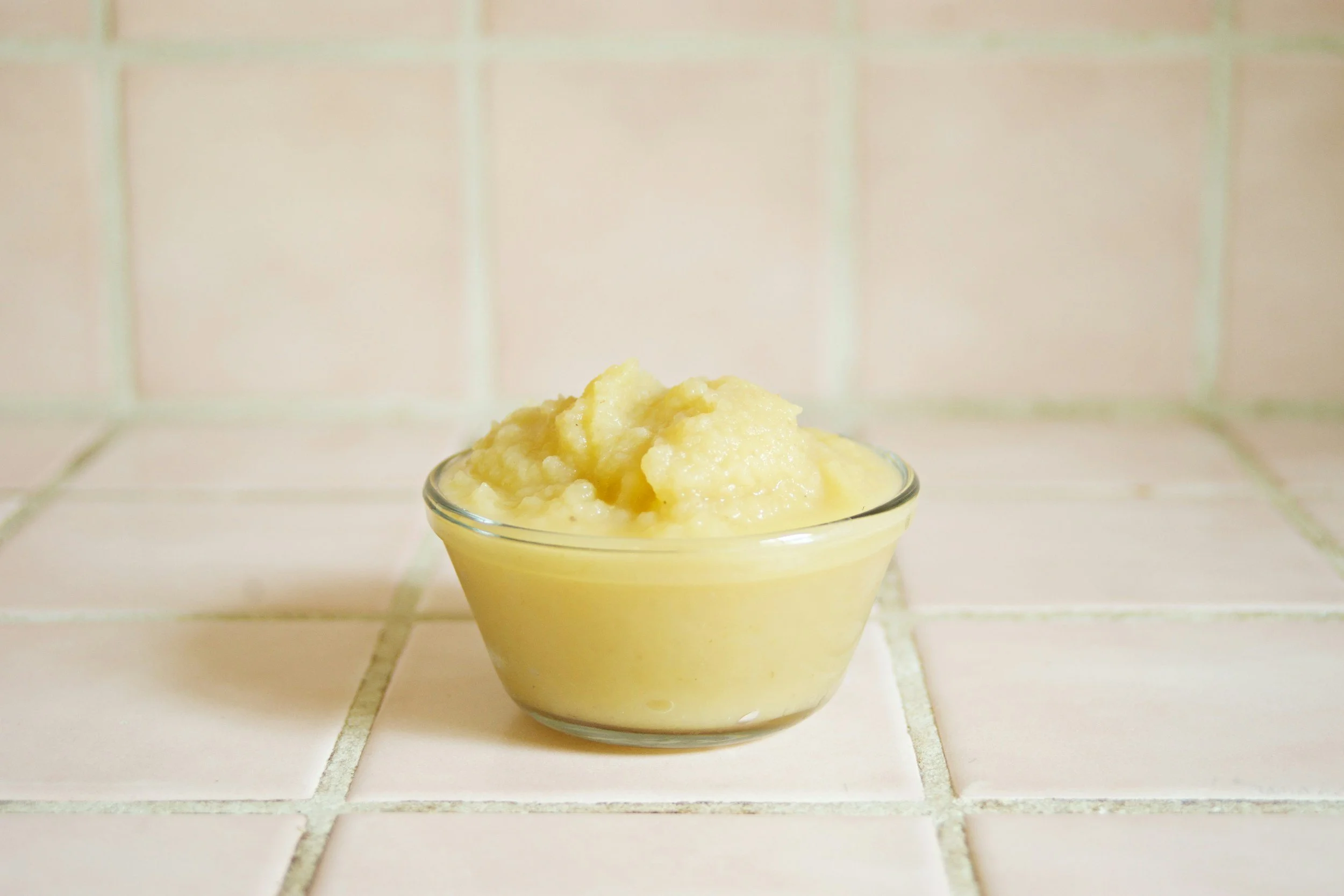
Applesauce pouches
Eating a few bites before getting out of bed in the morning can help settle your stomach.
Remember, if nausea is severe or you are struggling to keep food or fluids down, be sure to talk with your provider. Support and treatment options are available if needed.
You do not need to have a perfectly balanced diet right now. If your meals feel repetitive or limited, that is okay. Your body will still get what it needs over time and this phase is often just temporary. Focus on eating something rather than nothing, adding protein when you can, and staying as hydrated as possible.
